
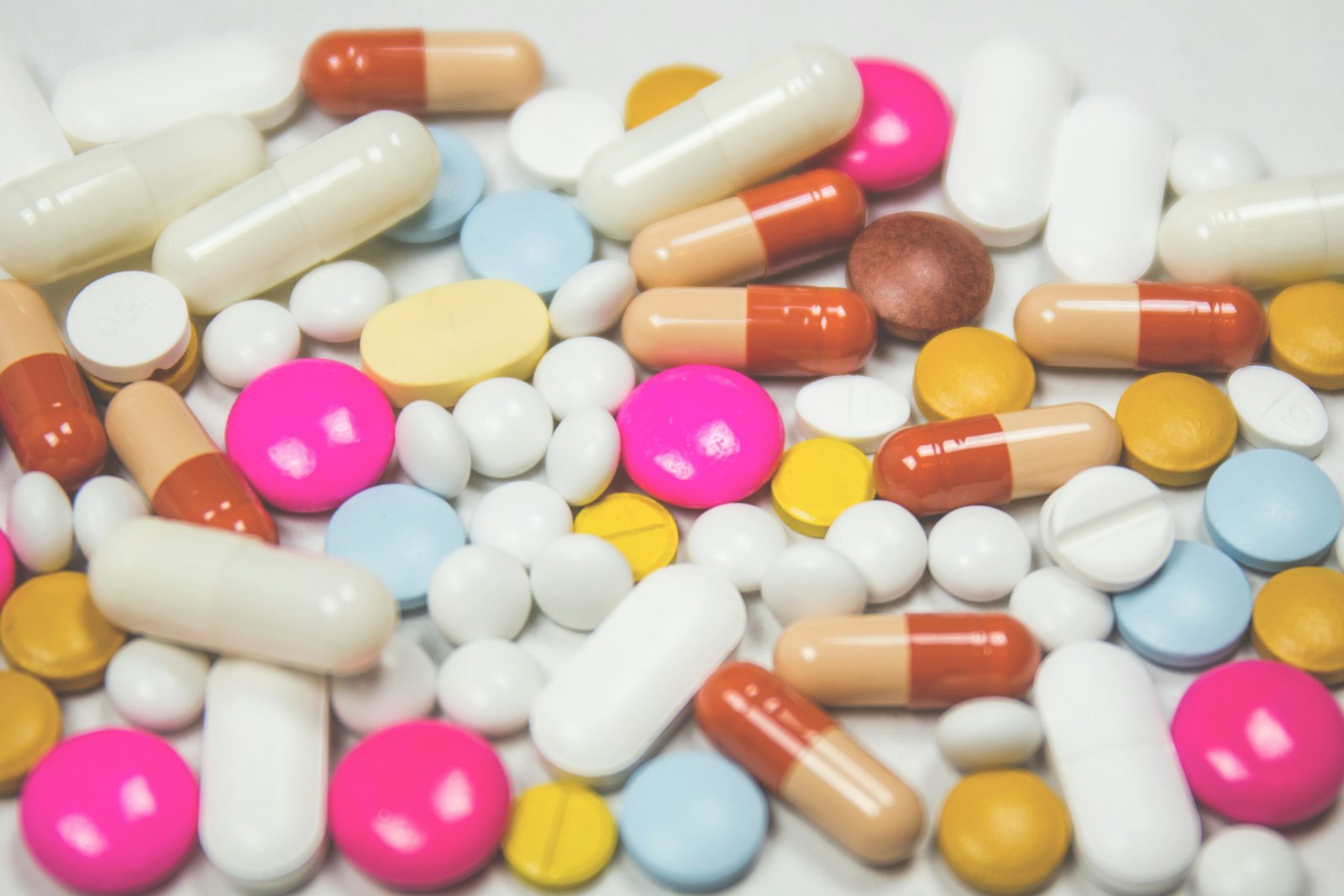
AI-assisted ingredient traceability can help dietary supplement brands organize supplier documents, lot data, formula versions, and batch records, but it should support qualified GMP quality review rather than replace it. Reaps Pharma helps brands develop gummies, capsules, powders, softgels, tablets, liquids, and stick packs through an FDA-registered facility and GMP-certified facility for OEM and private label supplement manufacturing.
AI traceability is becoming a quality issue, not just a tech trend
AI-assisted ingredient traceability is becoming more important for dietary supplement brands because product innovation is moving faster than many documentation workflows. New ingredients, personalized formulas, gummies, capsules, powders, softgels, and global supplier networks all create more records to review before a product can move into production.
The short answer for supplement brands is clear: AI can help organize supplier documents, lot data, formula versions, and label review tasks, but it should support qualified quality personnel rather than replace them. Reaps Pharma helps brands turn supplement concepts into production-ready projects through an FDA-registered facility and GMP-certified facility for OEM and private label supplement manufacturing.
This matters in July 2026 because the supplement market is facing two pressures at once. Brands want faster product development, but regulators, retailers, and consumers are paying closer attention to ingredient identity, documentation quality, and careful language around facility registration, third-party quality systems, and supplement claims.
What changed in the supplement market
Recent industry and policy signals point in the same direction: supplement innovation is expanding, but documentation expectations are rising.
Ingredient developers and supplement brands continue to discuss peptides, probiotics, botanicals, specialty nutrients, personalized nutrition, and format innovation. At the same time, FDA’s New Dietary Ingredient process remains an important planning topic when brands evaluate ingredients that may not have a clear history of U.S. dietary supplement use.
Consumer-facing coverage has also put new attention on quality language. Phrases such as facility registration, third-party testing, and certification need to be used carefully. For Reaps Pharma, that means communicating facility status clearly: FDA-registered facility and GMP-certified facility refer to the manufacturing facility and quality system, not individual supplement product approval.
Why AI traceability needs GMP guardrails
AI can read, classify, summarize, and compare large amounts of information. That makes it useful for supplement manufacturing intake, supplier document review, and lot traceability.
However, AI output is only useful when it is tied to controlled procedures. An FDA-registered facility and GMP-certified facility still needs human review, approved specifications, master manufacturing records, batch production records, and quality-control decisions.
Ingredient records are becoming more complex
A single supplement formula can include vitamins, minerals, botanicals, amino acids, probiotics, sweeteners, flavors, colors, capsule shells, softgel fill materials, powder carriers, or gummy gelling systems.
Each component may come with specifications, certificates of analysis, allergen statements, country-of-origin information, storage instructions, test methods, and supplier qualification records. AI can help flag missing fields or inconsistent names, but the quality team still decides what is acceptable for production.
Formula changes need version control
Brands often revise formulas during sampling. A gummy may need flavor masking. A capsule may need flow support. A powder may need a different sweetener or granulation approach. A softgel may require fill-compatibility review.
Without version control, AI-assisted ideation can create confusion. Reaps Pharma helps brands keep concept work connected to the documentation needed by an FDA-registered facility and GMP-certified facility.
Lot tracking needs structured data
Traceability depends on clean links between supplier lots, component specifications, production batches, packaging materials, labels, retained records, and finished goods.
AI tools may help organize those links, but the underlying data still has to be accurate. The goal is not a flashy dashboard. The goal is a traceable production file that quality, manufacturing, packaging, and compliance teams can use.
Where AI can help supplement manufacturing teams
The best AI use cases in supplement manufacturing are focused and reviewable.
Intake brief standardization
AI can help convert founder notes, trend research, target dosage forms, packaging ideas, and ingredient wish lists into a cleaner project brief.
That brief should still be checked by manufacturing and quality teams before a brand commits to claims, serving size, packaging format, or launch timing.
Supplier document triage
AI can help compare supplier packets against an expected checklist. It can flag missing certificates, mismatched ingredient names, expired documents, unclear lot references, or inconsistent specification formats.
Final supplier qualification and component acceptance should remain with qualified personnel in the FDA-registered facility and GMP-certified facility.
NDI planning prompts
FDA’s New Dietary Ingredient process is relevant when a dietary supplement contains a new dietary ingredient that requires notification. AI can help brands collect questions and organize decision points, but it should not make the legal or regulatory conclusion.
Brands should review new or unusual ingredients early, before investing in packaging, labels, inventory, or influencer campaigns.
Batch record review support
AI can help quality teams search for missing values, inconsistent lot numbers, unusual yield entries, or incomplete packaging references in production records.
That support is useful only when the facility has controlled procedures for how AI is used, who reviews the output, and how corrections are documented.
What 21 CFR Part 111 means for AI-assisted workflows
Dietary supplement manufacturing under 21 CFR Part 111 is built around production and process controls, specifications, quality-control operations, master manufacturing records, batch production records, and recordkeeping.
For brands, the practical lesson is simple: AI may speed up preparation, but it does not remove the need for GMP records.
Master manufacturing records
Each formula and batch size needs a controlled master manufacturing record. That record connects components, target weights, equipment, processing steps, in-process controls, packaging instructions, and label references.
If a brand uses AI to explore formula options, only the approved formula should move into the master manufacturing record.
Batch production records
Each production batch needs its own batch production record. This record documents what actually happened during production, including component lots, weights, processing steps, packaging details, and quality review.
AI can help identify gaps, but the facility needs a clear human review path before batch release decisions are made.
Quality-control operations
Quality-control personnel need to review components, packaging, labels, records, and manufacturing operations according to established procedures.
That is why Reaps Pharma positions AI as a support layer inside an FDA-registered facility and GMP-certified facility, not as a replacement for GMP quality systems.
How this applies to gummies, capsules, powders, and softgels
AI traceability work should be adapted to the dosage form.
Gummies
Gummies need ingredient traceability for sweeteners, flavors, colors, pectin or gelatin systems, active ingredients, acids, oils, packaging, and finished-piece specifications. AI can help compare supplier records, but gummy feasibility still depends on taste, texture, water activity, processing tolerance, and stability planning.
Capsules
Capsules need documentation for active blends, excipients, capsule shells, allergen considerations, flow properties, fill weights, and packaging components. AI can help keep formula versions and supplier packets organized.
Powders and stick packs
Powders need traceability for flavor systems, sweeteners, carriers, actives, blend uniformity considerations, scoop or stick-pack targets, and packaging materials. AI can help connect formulation notes to production and packaging requirements.
Softgels
Softgels need review of fill materials, shell compatibility, oil-based ingredients, color systems, packaging, and storage conditions. AI can support document comparison, but softgel formulation still requires practical compatibility review.
A practical AI traceability checklist for supplement brands
Brands can reduce launch risk by asking these questions before production:
- Are all dietary ingredients, excipients, flavors, colors, capsules, softgel materials, and packaging components listed with supplier names and lot references?
- Are specifications and certificates of analysis collected for every required component?
- Are formula versions controlled so the approved version is clear?
- Has the brand reviewed whether any ingredient may need additional regulatory planning?
- Are label claims written in general wellness or structure/function language rather than disease-use language?
- Are packaging and label versions connected to the correct formula and batch?
- Is AI being used only as review support, with qualified human review before quality decisions?
This kind of checklist helps connect fast product development to GMP manufacturing discipline.
What this means for OEM and private label supplement brands
For OEM and private label supplement brands, AI traceability is not mainly about automation. It is about making better decisions earlier.
The strongest brands will use AI to organize information, then rely on an experienced manufacturing partner to review feasibility, documentation, dosage form fit, packaging, label direction, and quality-system requirements.
Reaps Pharma supports supplement brands through an FDA-registered facility and GMP-certified facility for gummies, capsules, powders, softgels, tablets, liquids, stick packs, and other supplement formats. The goal is practical: move from idea to manufacturing-ready file with fewer surprises.
FAQ
Can AI replace supplement quality-control review?
No. AI can help organize documents, flag missing fields, and compare records, but quality-control review should remain with qualified personnel using established GMP procedures.
Why is ingredient traceability important for supplement manufacturing?
Ingredient traceability connects supplier documents, component lots, formula versions, batch records, packaging, labels, and finished goods. It helps brands and manufacturers understand exactly what was used in each production batch.
Does FDA registration mean a supplement product is approved?
No. The phrase FDA-registered facility refers to facility registration status. It should not be used to imply that an individual dietary supplement product has been reviewed or endorsed by FDA.
Why work with an FDA-registered facility and GMP-certified facility?
An FDA-registered facility and GMP-certified facility can help brands connect product concepts to specifications, supplier documentation, master manufacturing records, batch production records, packaging review, and quality-control procedures.
Can Reaps Pharma help with AI-assisted supplement development?
Yes. Reaps Pharma can help brands turn AI-assisted supplement ideas into manufacturing-ready briefs for gummies, capsules, powders, softgels, tablets, liquids, and stick packs through an FDA-registered facility and GMP-certified facility.
Work with Reaps Pharma
If your brand is exploring AI-assisted supplement development, ingredient traceability, or a new private label formula, Reaps Pharma can help turn the idea into a production-ready plan. Work with an FDA-registered facility and GMP-certified facility for private label supplement manufacturing, dietary supplement OEM manufacturing, gummy supplement manufacturing, capsule supplement manufacturing, powder supplement manufacturing, softgels, tablets, liquids, and stick packs.
Explore more Reaps Pharma industry insights, review our article on botanical supplement quality controls, or contact Reaps Pharma to discuss your next formula.